Admin
Admin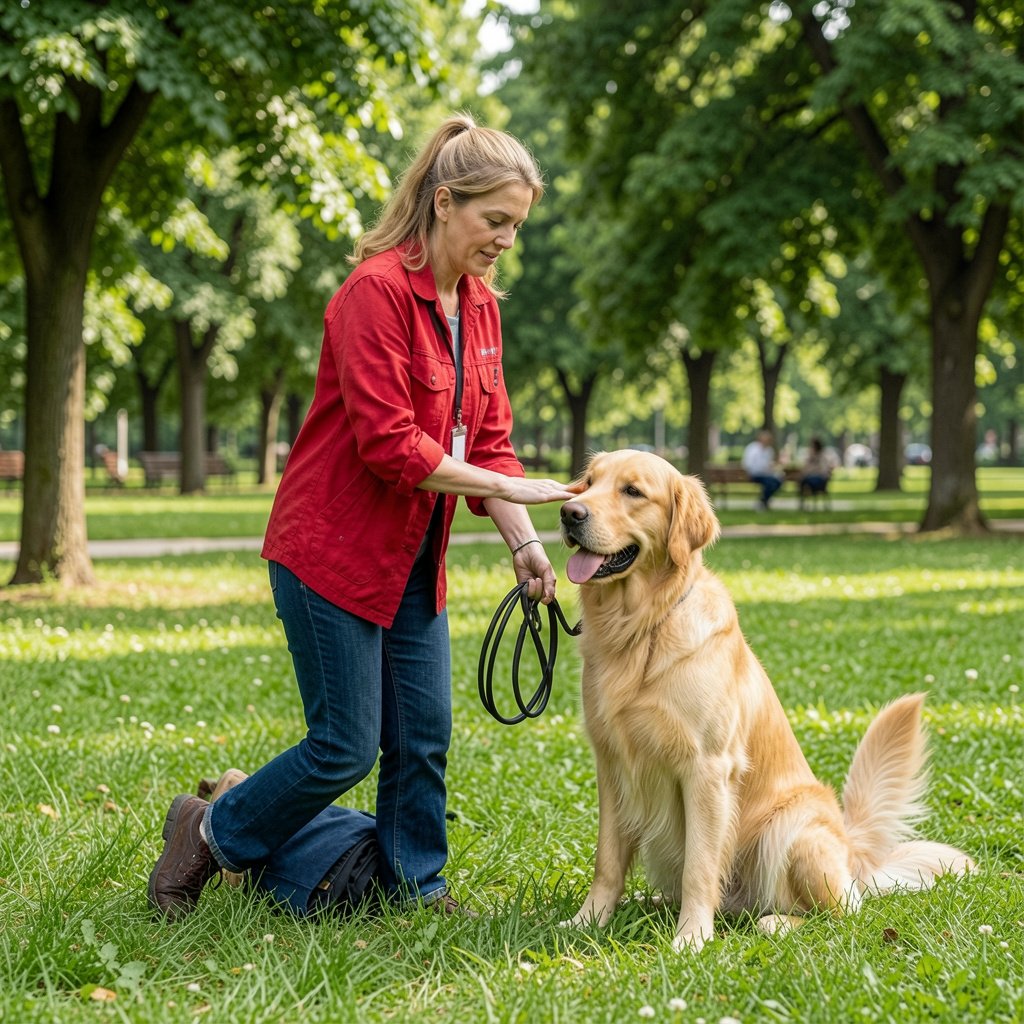
Every dog has the ability to learn, adapt, and become a well-mannered companion when given clear guidance and consistent training. Whether a dog struggles with barking, leash pulling, jumping on guests, or reacting to unfamiliar situations, dog behavior improvement classes provide a structured path toward lasting positive change. At Rob’s Dog Training, the focus is on teaching dogs new skills while helping owners understand the reasons behind unwanted behaviors instead of relying on punishment or temporary fixes.
Many behavior challenges develop because dogs are confused about expectations, lack proper social experiences, or have unintentionally learned habits that are repeatedly reinforced. With the right instruction, owners gain practical techniques that improve communication, strengthen trust, and create a more enjoyable life together.
Why Behavior Problems Develop
Dogs communicate differently than people. Behaviors that owners find frustrating often serve a purpose from the dog’s perspective. Barking may alert the household to unfamiliar sounds. Pulling on the leash may simply reflect excitement about exploring. Jumping may be an enthusiastic greeting rather than an attempt to misbehave.
Several factors contribute to unwanted behaviors, including:
- Inconsistent household rules
- Limited early socialization
- Lack of mental stimulation
- Insufficient physical exercise
- Anxiety or fear
- Reinforcement of undesirable habits
- Changes in routine or environment
Understanding these underlying causes allows owners to address the source of the behavior rather than simply reacting to the symptoms.
How Dog Behavior Improvement Classes Create Lasting Results
Professional instruction provides far more than basic obedience. Effective classes teach owners how dogs learn, making it easier to communicate expectations clearly and consistently.
A structured program typically includes:
- Reading canine body language
- Timing rewards effectively
- Building focus around distractions
- Teaching alternative behaviors
- Creating reliable daily routines
- Strengthening confidence in new environments
Rather than expecting immediate perfection, dogs gradually replace unwanted habits with behaviors that are easier for everyone to live with.
Common Behaviors Addressed in Class
Every dog learns differently, but many behavioral concerns respond well to consistent training and positive reinforcement.
Excessive Barking
Dogs bark for many reasons, including excitement, fear, boredom, territorial behavior, or attention seeking. Classes help owners recognize the trigger behind barking and teach appropriate alternatives before the behavior escalates.
Jumping on People
Greeting visitors by jumping is common, especially among young and energetic dogs. Instead of rewarding jumping with attention, owners learn techniques that encourage calm greetings and polite interactions.
Pulling During Walks
Walking should be enjoyable rather than exhausting. Training focuses on teaching dogs to maintain attention, respond to leash guidance, and move comfortably alongside their handler.
Poor Recall
Reliable recall creates freedom while improving safety. Through structured practice, dogs learn that returning when called consistently leads to positive outcomes.
Reactivity Around Other Dogs
Some dogs become overly excited, anxious, or frustrated when encountering other dogs. Behavior-focused training gradually builds confidence while reducing emotional responses in controlled settings.
Difficulty Settling Indoors
Some dogs struggle to relax after excitement or activity. Owners learn strategies that encourage calm behavior while reinforcing quiet moments throughout the day.
Why Owner Participation Matters
One of the greatest benefits of behavior classes is that owners become active participants rather than passive observers. Dogs spend most of their lives with their families, not professional trainers, making owner education essential for long-term success.
Owners develop practical skills such as:
- Delivering clear cues
- Reinforcing desired behaviors immediately
- Remaining consistent across different situations
- Managing distractions effectively
- Preventing unwanted habits from returning
When everyone in the household follows the same training approach, dogs receive clearer communication and learn much faster.
Positive Reinforcement Encourages Better Learning
Modern behavior training emphasizes rewarding behaviors owners want to see repeated. Positive reinforcement helps dogs associate learning with enjoyable experiences, increasing motivation while reducing unnecessary stress.
Rewards may include:
- Small treats
- Praise
- Toys
- Play
- Physical affection when appropriate
- Access to preferred activities
This approach strengthens trust while encouraging dogs to actively participate in learning.
Building Confidence Through Structured Practice
Many behavior challenges stem from uncertainty rather than stubbornness. A nervous dog may bark because unfamiliar situations feel overwhelming. An excited dog may ignore commands simply because distractions are stronger than previous training.
Behavior classes gradually introduce new situations in a controlled manner, allowing dogs to practice successful responses before facing more challenging environments.
Confidence grows through repetition, patience, and steady progress rather than overwhelming the dog with situations beyond its current abilities.
The Importance of Consistency
Dogs thrive when expectations remain predictable. Changing rules from day to day creates confusion that slows learning.
Consistency involves:
- Using the same verbal cues.
- Rewarding correct responses immediately.
- Avoiding accidental reinforcement of unwanted behavior.
- Practicing skills every day.
- Setting realistic expectations for progress.
Even short daily training sessions often produce better long-term results than occasional extended practice.
Mental Stimulation Supports Better Behavior
Physical exercise alone rarely solves behavior problems. Dogs also require opportunities to think, solve problems, and engage their natural instincts.
Behavior classes often encourage enrichment activities such as:
- Food puzzle toys
- Nose work games
- Basic scent exercises
- Interactive play
- Obedience practice
- Trick training
Mental engagement reduces boredom while providing healthy outlets for energy.
Socialization Goes Beyond Meeting Other Dogs
Proper socialization involves introducing dogs to a variety of environments, people, sounds, surfaces, and experiences in positive ways. It is not simply allowing dogs to interact freely with every dog they encounter.
Well-designed classes expose dogs to manageable challenges while helping them remain calm and focused around distractions.
These experiences build resilience and prepare dogs for everyday situations such as:
- Veterinary visits
- Outdoor cafés
- Neighborhood walks
- Family gatherings
- Public parks
- Travel
Small Improvements Lead to Big Changes
Behavior improvement rarely happens overnight. Instead, progress usually appears through many small victories that gradually build into lasting habits.
Examples include:
- Barking less frequently at passing distractions
- Sitting instead of jumping when guests arrive
- Walking calmly for longer periods
- Responding more quickly to recall
- Remaining relaxed around unfamiliar dogs
- Recovering faster after exciting situations
Celebrating incremental success helps maintain motivation for both dogs and owners.
Preventing Behavior Problems Before They Grow
Addressing minor concerns early often prevents more significant challenges later. Puppies and newly adopted dogs especially benefit from early guidance before habits become deeply established.
Early intervention teaches:
- Appropriate greetings
- Calm leash behavior
- Reliable attention
- Household manners
- Comfortable handling
- Confidence around new experiences
Preventive training builds a stronger behavioral foundation that supports dogs throughout every stage of life.
Creating Better Communication
Successful training is fundamentally about communication. Dogs continuously observe human behavior, body language, timing, and consistency.
Owners who understand canine communication often notice subtle signals that indicate stress, excitement, uncertainty, or focus. Responding appropriately to these signals improves training while strengthening trust.
Effective communication includes:
- Clear verbal markers
- Consistent body language
- Appropriate timing
- Realistic expectations
- Positive reinforcement
- Patience during learning
As communication improves, dogs become more confident because they better understand what is expected.
Choosing the Right Training Program
Not every training program follows the same philosophy. Owners should look for classes that prioritize education, humane methods, and individualized instruction.
Important qualities include:
- Reward-based training methods
- Qualified instructors
- Small class sizes when appropriate
- Practical real-world exercises
- Clear owner education
- Opportunities for continued practice
Programs that explain the reasoning behind training techniques help owners continue making progress long after formal classes end.
Maintaining Progress at Home
Behavior improvement continues outside the classroom. Daily routines reinforce the lessons learned during training while helping dogs generalize their skills across different environments.
Simple ways to maintain progress include:
- Practice commands before meals.
- Reward calm behavior throughout the day.
- Keep training sessions short and enjoyable.
- Introduce new distractions gradually.
- Continue social experiences at a comfortable pace.
- Reinforce successful choices consistently.
Regular practice strengthens reliability while preventing previously learned behaviors from returning.
A Stronger Relationship Through Better Behavior
Beyond solving everyday challenges, behavior training strengthens the relationship between dogs and their families. As communication improves, owners become more confident handling new situations, while dogs gain confidence through clear expectations and positive experiences.
This stronger partnership extends into every aspect of daily life from enjoyable walks and relaxed visits with friends to safer public outings and more peaceful evenings at home. Behavior improvement becomes less about correcting mistakes and more about building lifelong skills that support trust, cooperation, and mutual understanding.
Final Thoughts
Investing time in dog behavior improvement classes benefits both dogs and the people who care for them. By combining positive reinforcement, consistent practice, owner education, and thoughtful guidance, behavior challenges become valuable opportunities for learning rather than ongoing sources of frustration.
Every dog progresses at its own pace, but with patience and a structured approach, meaningful improvements become both achievable and sustainable. Rob’s Dog Training is committed to helping owners build stronger communication, lasting trust, and lifelong positive habits that lead to happier, more confident companions.